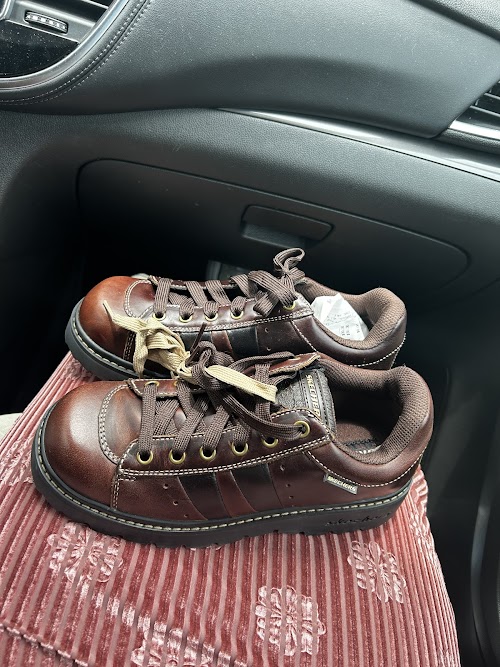
5 /5 Sofia Sofía: I enjoyed my experience here today. Although the wait time at this type of business varies, the wait was not longer than anticipated. The exceptional quality of care more than compensated for it. The staff exhibited friendliness and expertise, throughout the entire visit. I will be selling clothes here again.
I highly encourage anyone wanting to help the environment to sell their clothes here. It takes a lot of water to produce textile, plus land to grow cotton and other fibres. To make a single cotton t-shirt, 2,700 litres of fresh water are required according to estimates, enough to meet one person’s drinking needs for 2.5 years.
Textile production is estimated to be responsible for about 20% of global clean water pollution from dyeing and finishing products.
A single laundry load of polyester clothes can discharge 700,000 microplastic fibres that can end up in the food chain.
The majority of microplastics from textiles are released during the first few washes. Fast fashion is based on mass production, low prices and high sales volumes that promotes many first washes.
Washing synthetic products leads to the accumulation of more than half a million tonnes of microplastics on the bottom of the oceans every year. In addition to this global problem, the pollution generated by garment production has a devastating impact on the health of local people, animals and ecosystems where the factories are located.
Stores like this help a lot! Less than half of used clothes are collected for reuse or recycling, and only 1% of used clothes are recycled into new clothes, since technologies that would enable clothes to be recycled into virgin fibres are only now starting to emerge. This store helps by putting usable items back into the cycle.